Water Heater Making a Popping or Rumbling Noise in San Antonio? Here's What It Means
That popping or rumbling is sediment at the bottom of your tank, and on SAWS 15 to 20 gpg water it builds fast. Here's when a flush fixes it, when the noise means replace, and why the once-a-year advice is wrong for San Antonio.
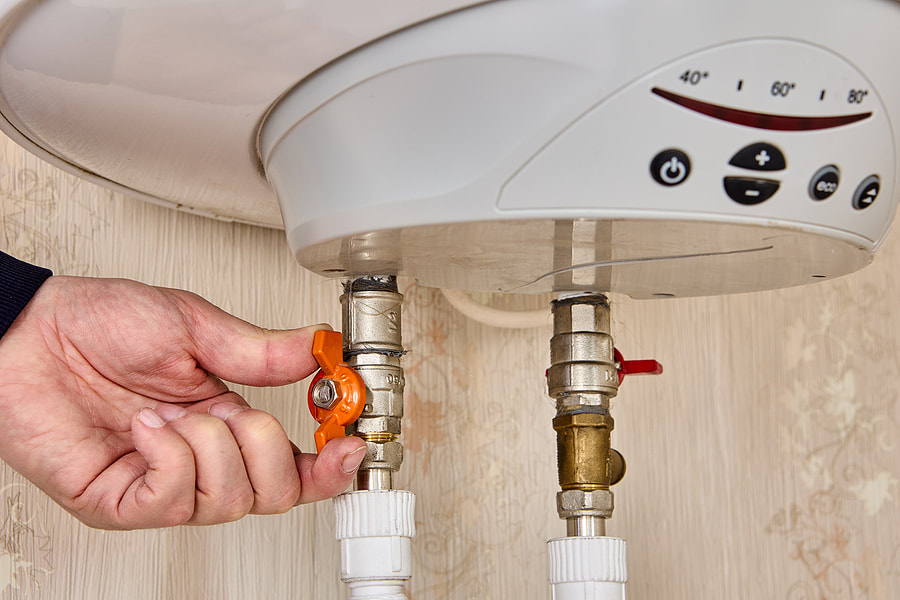
Why is my water heater making a popping noise?
A popping or percolating noise from a tank water heater is almost always sediment. A layer of hardness scale has settled on the bottom of the tank, and when the burner fires underneath it, water trapped in and under that layer boils and pops its way out like a covered pot. In San Antonio that layer builds faster than almost anywhere, because SAWS water runs 15 to 20 grains per gallon (gpg), which the hardness scale classifies as "very hard."
I'll be straight with you about what that popping is actually telling you. The sound itself won't hurt you tonight, but it's the clearest early signal that scale is insulating your burner from the water and corroding the tank floor from underneath. On raw SAWS water we see tanks start popping years before a softer-water home would.
If the noise is new and getting louder, or the hot water has also gone short, that's worth a look. We handle water heater repair in San Antonio same-day or next-day. Call us at 210-212-7667.
What the different noises mean
Not every sound is the same problem. Here's how we triage them by ear before we ever pull a panel:
- Popping or percolating: sediment and scale on the tank floor, water boiling under it. The most common one on hard water.
- Rumbling or a low roar that grows when the burner runs: a thick, hardened sediment bed shifting as the water underneath flashes to steam. Further along than popping.
- Crackling or sizzling on a gas unit: usually condensation dripping onto the burner, often normal, sometimes a small leak above.
- Ticking or tapping: typically the heat traps or expansion in the pipe nipples, generally harmless.
- A single loud bang when hot water kicks on: can be thermal expansion on a closed system with a failed expansion tank, a separate issue from sediment.
Water heater rumbling: sediment buildup on San Antonio water
Rumbling is popping's louder, later cousin. By the time a tank rumbles, the sediment bed on the floor is thick and hardened enough that steam has to force its way out through it, and that's the point where the noise stops being a nuisance and starts costing you efficiency and tank life. On SAWS water this happens on a tighter clock than the manuals assume.
Here's the mechanism, because it's worth understanding before you decide what to do. The burner heats the steel floor of the tank. Water is supposed to carry that heat away. When a scale bed sits between the flame and the water, the steel runs hotter than it was designed to, the metal fatigues faster, and the water that does get through boils violently under the crust. That's the rumble. You're hearing the tank floor overheating.
> "The rumble isn't the water heater being dramatic. It's the burner cooking a scaled tank floor that can't shed heat anymore, and on 20 gpg water out toward Schertz and Stone Oak we hear it sooner than almost anywhere we work."
How to flush a water heater on San Antonio hard water
A flush drains the tank and washes the loose sediment out through the drain valve, and on a unit that's only a few years old it can quiet the noise and buy back efficiency. The honest catch is that a flush clears loose sediment, not a hardened bed, so on raw SAWS water the move is to flush more often and earlier, not once a year like the box says. Here's the sequence we use:
- Shut off the energy and the cold inlet. Gas to "pilot" (or the breaker off on an electric unit), then close the cold-water shutoff on top of the tank. Give it time to cool if it's been running hot.
- Hook a hose to the drain valve. Run a garden hose from the valve at the base of the tank to a floor drain or outside. Open a hot tap upstairs to break the vacuum so the tank drains.
- Drain and watch what comes out. Open the drain valve. On a scaled San Antonio tank you'll see chalky white flakes and gritty sediment, not clear water. That grit is the hardness you've been hearing.
- Flush with short bursts of cold. With the hose still connected, crack the cold inlet in bursts to stir the floor and push sediment out until the water runs clear.
- Refill before you relight. Close the drain, open the cold inlet, and let the tank fill completely with the hot tap open. Only relight the burner or flip the breaker once water runs steady from that tap, never fire a dry element or burner.
If the valve is plastic and hasn't been touched in years, be careful: old builder-grade plastic drain valves crack or clog with scale flakes when you finally open them, and then you've turned a flush into a leak. If you'd rather not gamble on a ten-year-old valve, that's a same-day plumbing call and we'll flush it and swap the valve for brass while we're there.
When a flush won't fix it
Here's the line most flush guides won't draw. A flush only moves loose sediment. Once the bed has hardened into a crust (the rumbling stage), draining the tank won't lift it, and running fresh cold water onto a scaled, overheated tank floor can actually crack the glass lining and open a leak. If your tank is already rumbling hard, is past 8 years old, or the noise comes back within weeks of a flush, flushing again is throwing good time after bad.
When water heater noise means replace, not repair
This is the decision the noise is really pointing at, and the honest San Antonio answer leans on the local water. Because SAWS hardness cuts tank life to 6 to 8 years here, the age threshold where noise means "replace" is lower than the national rule of thumb. We walk every customer through the same short checklist before quoting anything:
- Age. Tank floor noise on a unit past 8 years old on raw SAWS water is usually the beginning of the end, not a flush-and-forget.
- What else is happening. Popping plus rusty hot water, or popping plus lukewarm showers, means the scale has already cost you capacity and the tank lining is likely going.
- Response to a flush. If a proper flush quiets a younger unit, repair won. If the rumble returns in weeks, the bed is hardened and bonded, and that's a replacement conversation.
- Any sign of a leak. Moisture or rust at the base is never a repair. A leaking tank gets replaced before it ruptures onto a post-tension slab.
When replacement is the right call, we size it honestly for San Antonio water. For a gas tankless we size for a 70 degree rise off roughly 55 degree groundwater and verify the gas line BTU capacity first; for a tank we'll talk about whether a softener upstream makes sense so the next one doesn't scale out in six years. The brands we service here are Rinnai, Navien, Rheem, and A.O. Smith. You can read how we handle sizing and changeouts on our tank and tankless water heaters page, and we pull the City of San Antonio permit under RMP License #36282 for every changeout.
"No upsell on faith. If a flush quiets a five-year-old tank, we flush it and leave. We only call for a replacement when the age, the noise, and the water quality all point the same way."
If your heater is rumbling and you want a straight read on flush-versus-replace, call 210-212-7667 and we'll size it up before anything gets quoted.
The San Antonio root cause: why this keeps happening here
Most noise guides stop at "flush it" because they were written for average water. San Antonio isn't average. The same 15 to 20 gpg hardness we break down on our SAWS 15 to 20 gpg water hardness page is exactly what settles on your tank floor and scales a tankless exchanger, and it's why a heater here needs a tighter maintenance clock than the sticker on the side suggests. North-side zones and the Schertz communities run closer to 20 gpg, so homes out toward Stone Oak and the Guadalupe County line tend to hear it first.
The fix that actually ends the cycle is softening the water feeding the heater. A softener upstream keeps scale from forming on the tank floor in the first place, which is the single best thing you can do to protect the most expensive appliance in your plumbing system and stretch its life back toward that 10-to-12-year window.
FAQ
When does water heater noise mean I need a replacement?
Noise means replace, not repair, when the age and the symptoms line up. On raw SAWS water, a tank past 8 years old that's rumbling (not just lightly popping) is usually at the end of its life, because San Antonio's 15 to 20 gpg hardness cuts tank life to 6 to 8 years here. If the noise comes with rusty hot water, lukewarm showers, or any moisture at the base, that's a replacement. If a proper flush quiets a younger unit and it stays quiet, that's a repair that worked. We'll give you the straight read before quoting at 210-212-7667.
Does hard water cause water heater noise?
Yes, and in San Antonio it's the main cause. The popping and rumbling is water boiling under a bed of hardness scale on the tank floor, and SAWS water at 15 to 20 gpg deposits that scale at roughly 1/16 inch per year. That's why tanks here get noisy and fail years earlier than they do in soft-water markets. Softening the water upstream of the heater is what keeps the scale from forming and keeps the tank quiet.
Will flushing my water heater stop the popping noise?
On a younger tank, often yes. A flush washes out the loose sediment that's boiling and popping, which can quiet the unit and restore some efficiency. On raw SAWS water you'll need to flush every 6 to 12 months rather than once a year to keep ahead of it. But a flush only moves loose sediment: once the bed has hardened and the tank is rumbling, draining it won't lift the crust, and that's the point where you're deciding between living with it and replacing the unit.
Is a rumbling water heater dangerous?
A rumbling tank isn't an immediate hazard the way a gas leak is, but it shouldn't be ignored. The rumble means the tank floor is overheating under a scale layer, which fatigues the steel and shortens the tank's life, and a scaled, aging tank is the kind that eventually leaks or fails. If it's rumbling hard, leaking at the base, or paired with no hot water, treat it as a same-day call, not a wait-and-see.
Get the noise diagnosed
If your water heater has started popping or rumbling, the first question is simple: how old is the tank, and does a flush quiet it? On San Antonio's 15 to 20 gpg water a younger unit often just needs a flush and maybe a softener upstream, while an older one that's rumbling is telling you the tank floor is scaled and the clock is running. We'll flush it, read the sediment, check for a leak, and give you a straight repair-or-replace answer instead of defaulting to the expensive one.
Armor Pro Services is licensed in Texas under RMP License #36282, locally owned and operated, and available same-day or next-day across San Antonio, Alamo Heights, Schertz, Converse, and Helotes. Free estimates and competitive, upfront pricing, with workmanship backed by a one-year written warranty and parts under manufacturer terms. Call us at 210-212-7667 or book water heater repair in San Antonio online.
Click to Call · 210-212-7667