Water Heater Repair & Replacement in Converse, TX
Armor Pro Services repairs and replaces tank and tankless water heaters in Converse, TX, diagnosing the actual fault before we ever talk replacement. Converse is a split market that fails two different ways. On the FM 1976 corridor you have aging homes where sediment and a spent anode rod kill tanks early on SAWS water at 15 to 20 grains per gallon. Toward Live Oak you have 8 to 12-year-old subdivisions now hitting the expansion-tank and PRV failure window, where a closed system pushes pressure back onto a heater that was fine last year. Licensed under Texas RMP #36282 and locally owned, we repair the heater when a repair makes sense and tell you straight when it does not. Call 210-212-7667 for same-day water heater service.
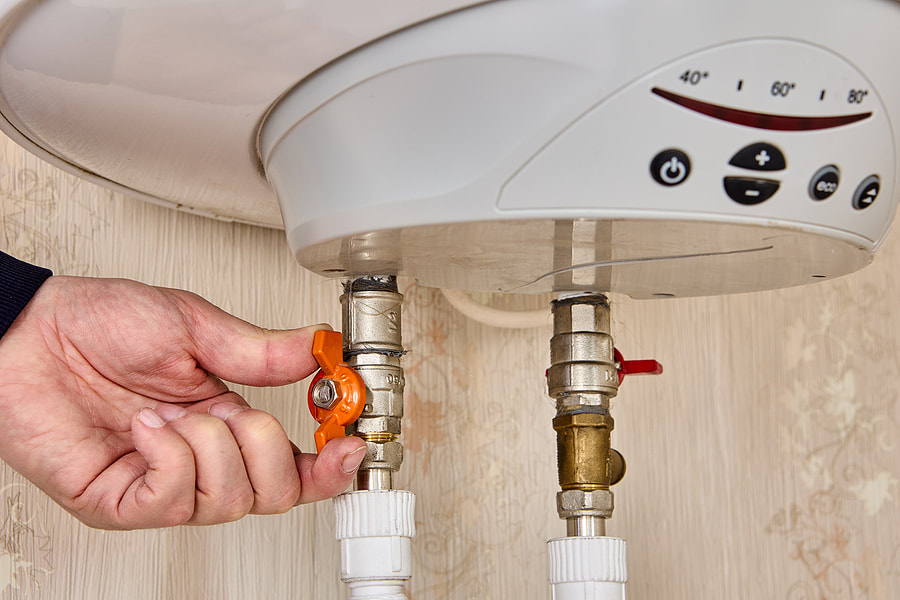
Water Heater Repair in Converse, TX: What We Fix
Most water heater failures in Converse are repairs, not replacements, and the difference is money you keep. On gas tank units we replace failed thermocouples and gas control valves, relight and rebuild pilot assemblies, swap leaking temperature-and-pressure relief valves, change burnt elements and thermostats on electric units, flush the sediment that is killing recovery, and replace the anode rod before the tank corrodes from the inside out. On tankless units we clear flame-rod and ignition faults, descale clogged heat exchangers, replace flow sensors and igniters, and clear venting and combustion-air codes.
Converse fact: SAWS water runs 15 to 20 grains per gallon across the FM 1976 corridor. That hardness bakes sediment onto a gas burner and scale onto a tankless heat exchanger, which is why so many Converse heaters fail before their rated life.
We service Rinnai, Navien, Rheem, and A.O. Smith, which are the brands sitting in most Converse utility closets and garages. The repair-or-replace call starts with a real diagnosis, not a guess at the door, and we will not push a new unit when a common part gets you hot water the same day. Call 210-212-7667 and describe the symptom.
Water Heater Replacement in Converse: Tank vs Tankless and What the Gas Line Decides
When a repair no longer makes sense and you are weighing a new unit, here is the honest version of the tank-versus-tankless call for a Converse home. A tankless can pull 150,000 to 199,000 BTU, so before we quote any tankless installation we verify the full gas-line BTU capacity, because an older FM 1976 home was often piped for a 40,000-BTU tank and cannot feed a tankless without meter and branch work. That single check is what separates an honest install from lukewarm water at two fixtures at once.
"We size every gas tankless for a 70-degree temperature rise off roughly 55-degree San Antonio groundwater, the coldest the incoming water gets here, so the unit actually delivers its rated flow on a January morning."
On a tank swap we set the new unit in the same location where we can, install a code-compliant expansion tank, a fresh T&P valve, and a drip pan, and haul the old heater away. We pull the City of San Antonio Development Services permit under Texas RMP #36282 and meet the inspector. If the gas branch will not feed a tankless and you do not want the meter and piping work, a high-efficiency tank or a hybrid is the honest recommendation, and we will say so. For a firm replacement number, tell us what you have and we will come back in writing.
Tankless Water Heater Installation in Converse: Scale and BTU-Starved Units
Tankless units show up in the newer subdivisions out toward Live Oak and the renovated homes on the FM 1976 side, and in Converse they fail in two predictable ways. The first is scale. On SAWS water at 15 to 20 grains per gallon, every time the unit fires it bakes hardness onto the heat exchanger, and skipping the descale flush for two seasons sends it into short-cycling, then throttling, then an error code. Most Rinnai and Navien codes that send homeowners into a panic are scale-related or ignition-related and clear with service rather than replacement.
How we service a tankless: a proper citric-acid flush, not vinegar, plus a cleaned inlet screen, a checked flow sensor, and verified combustion before we leave. A whole-house softener ahead of the unit slows scale dramatically on this water.
The second failure is the one nobody warns you about: a tankless quietly starved for gas in an older home. When the previous installer never re-sized the branch, the unit modulates down under load and you get lukewarm water when two showers run at once. That is not a broken heater; that is a gas-line problem, and we measure the static and working pressure to prove it. Read us the code on the display when you call and we will load the right parts. Call 210-212-7667.
Converse and Live Oak Subdivisions: The Expansion-Tank and PRV Failure Window
Here is the Converse-specific pattern most companies miss. The 8 to 12-year-old subdivisions toward Live Oak are now hitting the failure window for expansion tanks and PRVs, and both quietly wreck water heaters. A pressure-reducing valve turns your home into a closed system, so when the heater fires and the water expands it has nowhere to go except back against the tank and the relief valve.
- A relief valve that drips every time the heater runs is usually a waterlogged or missing expansion tank, not a bad valve.
- A PRV that has failed high pushes 90-plus psi through the whole house and shortens the life of every fixture and the heater with it.
- A heater that started leaking around year ten in one of these subdivisions almost always had a thermal-expansion problem feeding it long before the tank gave up.
We test the incoming pressure, confirm whether the expansion tank is doing its job, size and pre-charge a new one if it is not, and set the PRV back to spec. Catching this in the Live Oak-side subdivisions is the cheapest thing you can do to protect a heater you just paid for. Book a pressure check and we will diagnose the closed-system side while we are at the heater.
Conventional Tanks on the FM 1976 Corridor: Sediment and the Year-Three Anode Rod
Plenty of Converse homes on the FM 1976 side still run a conventional 40 or 50 gallon tank, and on SAWS water at 15 to 20 gpg those tanks take a beating from the bottom up. Mineral settles out of the hard water and collects on the tank floor, where it insulates the burner on a gas unit or bakes onto the lower element on an electric unit. The early signs are popping and rumbling during heating, slower recovery between showers, and a unit that runs longer to hit the same temperature.
"The anode rod is the single most overlooked part in Converse. On 15-to-20-gpg water it can be spent by year three, and once it is gone the steel tank is next."
Replacing the anode at year three is the cheapest thing you can do to push a tank from a 7-year life to 12 or more, and most homeowners here never touch it, which is exactly why so many Converse tanks die young. If a softener feeds the heater, the rod and the tank both last noticeably longer. On a younger unit a repair plus an anode swap often buys you years for very little. On a tank already 12 or 13 years old with a corroded anode, a weeping relief valve, and a floor full of sediment, we will be honest that replacement is the smarter money. Call 210-212-7667 and we can check the rod on a normal service visit.
When Water Heater Repair Is the Wrong Call in Converse
We would rather lose the job than sell you work that will not hold, so here is when we tell Converse homeowners to stop repairing. If your tank is already past 12 years, the anode has never been touched, and the unit is weeping from the body of the tank itself, low and central where you cannot trace it to a fitting, the inner tank has rusted through and no patch fixes a perforated tank. Throwing a new element or gas valve at that tank is money down the drain, because the next leak is weeks away.
The one a competitor will not say: if your only symptom is a single failed part and the tank is under about 8 years old, do not let anyone talk you into a tankless upgrade you cannot fuel. We have walked into FM 1976 homes where the last company quoted a tankless swap with no plan for the BTU shortfall. That is not an upgrade; it is a permanent hot-water problem you paid for.
When the gas capacity is not there and you do not want the meter and piping work, the honest fix is repairing the tank you have or setting a high-efficiency tank in its place. And if your last heater install was under a year ago and it is a warranty part failing, call the installer before you call anyone else.
How a Water Heater Job Works in Converse: Permit, Repair, and Close-Out
Here is the order of operations so you are not guessing.
- You call 210-212-7667 and describe the symptom or the plan: no hot water, a leak, a pilot that will not stay lit, a tankless error code, or a planned upgrade. We give you a real ETA, not a four-hour window. Converse is out on the FM 1976 corridor in NE Bexar County, so we quote you a real arrival time over the phone.
- The tech arrives stocked for the most common faults: thermocouples, gas valves, elements, thermostats, relief valves, anode rods, expansion tanks, and a tankless flush kit.
- Diagnosis and upfront quote. The tech diagnoses the actual failure or verifies the gas-line BTU capacity for an install, then gives you a written, upfront price before any work starts. You approve it or you do not.
- We make the repair or set the new unit, then test it: we confirm the unit fires or heats, the relief valve seats, and the output holds at the recommended 120 degrees.
- Permit and inspection. Where a changeout is required, we pull the City of San Antonio Development Services permit under Texas RMP #36282 and meet the inspector.
- Clean up and warranty. Workmanship is backed for one year in writing, and parts follow the manufacturer's terms.
For a planned tankless or tank replacement, use the quote form and we will come back with a firm written number.
Frequently asked
I have no hot water in Converse, TX. Can you come out same day?
Often, yes. No hot water and a leaking tank are urgent and we prioritize them. Converse is out on the FM 1976 corridor in NE Bexar County, so we give you a specific ETA over the phone rather than a vague window. Calls placed by early afternoon on weekdays give you the best shot at a same-day slot. Before you call, on a gas tank check whether the pilot is out; on an electric unit check the breaker and the reset button on the upper thermostat; on a tankless read us the error code. If you smell gas, leave the house and call CPS Energy at 1-800-870-1760 first. Then call us at 210-212-7667.
How long does a water heater last on hard Converse water?
On SAWS water at 15 to 20 grains per gallon, a conventional tank that is never maintained often gives out around year 7, because sediment insulates the burner and a spent anode rod lets the steel tank corrode. The single biggest lever is the anode rod: replace it around year three and you can push the same tank to 12 years or more. A softener feeding the heater stretches both the rod and the tank further, and a periodic flush keeps recovery up. Tankless units on this water need a citric-acid descale flush on a schedule to protect the heat exchanger. Skip the maintenance and even a good unit fails early here.
Should I replace or repair my water heater in Converse?
If the repair runs more than about half the cost of a new unit, replace it. Age decides most of it: a tank under 8 years with one failed element or thermostat is a repair; a 12-plus-year tank with a corroded anode, a leaking T&P valve, and a sediment-packed base is a replacement. In a Converse home we also check the anode rod, the tank interior, and the incoming pressure before recommending either way, because in the Live Oak-side subdivisions a failing expansion tank or PRV is often the real reason the heater is dying young. Call 210-212-7667 and we will tell you honestly which path you are on.
Can you install a tankless water heater in my Converse home?
Usually, but the gas line decides it before anything else. A tankless pulls 150,000 to 199,000 BTU, and an older FM 1976-corridor home piped for a 40,000-BTU tank frequently needs the gas branch re-sized or the meter verified before the unit can fire at its rated flow. If the line cannot feed it, the unit modulates down and you get lukewarm water at two fixtures at once. We verify the full BTU run before we quote and size the unit for a 70-degree rise off roughly 55-degree San Antonio groundwater. On this hard water we set it up for a periodic citric-acid descale. When the gas capacity is not there, a high-efficiency tank is often the better-value call, and we will show you the math.
Do I need a City of San Antonio permit to replace my water heater in Converse?
A like-for-like repair generally does not require a permit, but a full water heater changeout does. We file the permit with the City of San Antonio Development Services Department under Texas RMP #36282, install with a code-compliant expansion tank, a fresh T&P valve, and a drip pan, and schedule and attend the inspection. You are not chasing paperwork. This matters more than people expect on a tankless conversion, because the gas-line changes that ride along with it are inspected too.
Which water heater brands do you install and repair in Converse?
We install and service Rinnai, Navien, Rheem, and A.O. Smith, both tank and tankless, gas or electric, which covers most of the units we find in Converse utility closets and garages. On tankless units, most Rinnai and Navien error codes that look alarming are scale-related or ignition-related and clear with service rather than replacement on SAWS hard water. Read us the error code on the display when you call so we load the right parts. If your unit is still under manufacturer warranty, we file the claim paperwork so you are not arguing with a call center.