Drain Cleaning
A french drain or household drain that's backing up, gurgling, or draining at a crawl isn't just annoying — it's telling you something is wrong further down the line. Armor Pro Services clears residential and commercial drains using the right method for the actual problem: cable snaking for isolated soft clogs, trailer-mounted hydro-jetting at 4,000 psi for grease and root-bound laterals, and a camera inspection with written report at the end of every job. We hold Texas RMP license #36282 and stock trucks for the day's most common calls so most jobs are one trip.
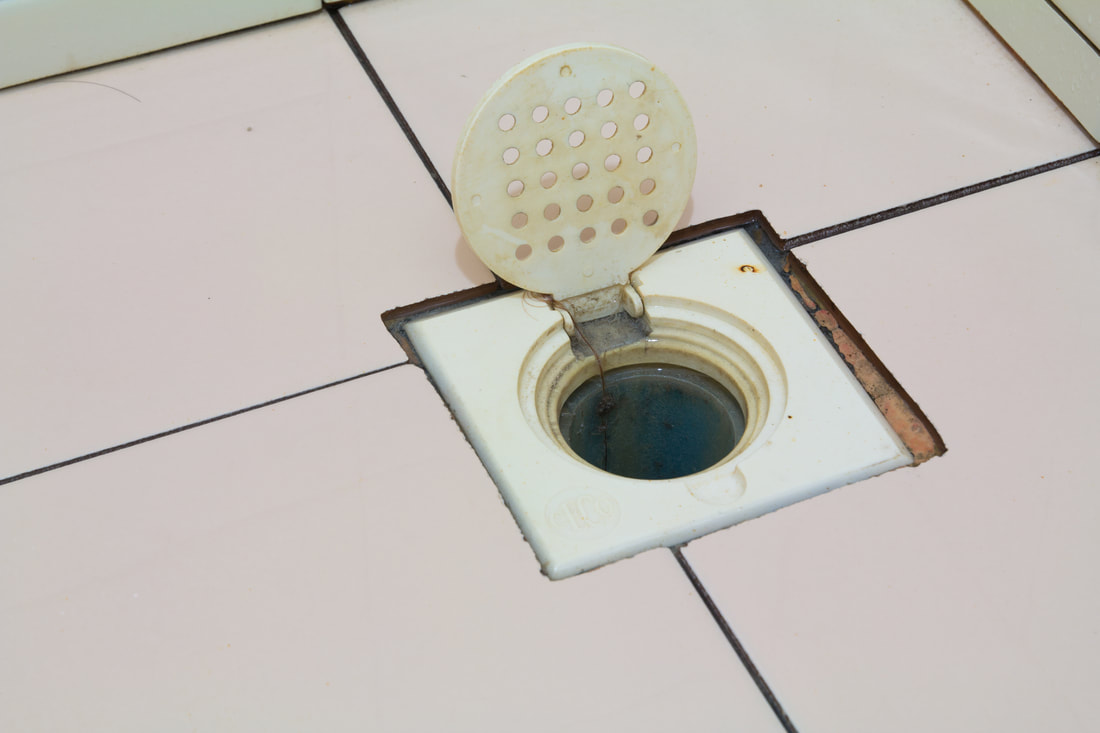
Drain Cleaning in San Antonio: One Trip, Done Right
Most drain calls in this market come down to three jobs: an isolated soft clog we clear with a cable, a grease- or root-bound lateral we have to hydro-jet, or a recurring stoppage that turns out to be a pipe problem instead of a clog. The honest part is figuring out which one you've got before quoting a fix, and that is what the camera run does. We run routes across Bexar County every weekday and dispatch the same day when the schedule allows, from inside Loop 410 out to the Loop 1604 suburbs. Our trucks are stocked for the day's most common calls, so a standard kitchen or bath stoppage is almost always one trip. We hold Texas RMP license #36282, we're licensed and insured, and every job closes with a camera pass and a written report so you know what we found, not just that the water is moving again. No upsell on faith: we won't recommend hydro-jetting or a pipe repair unless the camera shows you need it. Call 210-212-7667 and tell us what's backing up, and we'll tell you straight whether we can be there today.
Signs Your Drain Needs a Professional — Not a Bottle of Drano
Slow drainage that clears in a few minutes? That might be a small soap-scum buildup you can tackle yourself. But there are signs that tell you the problem is bigger. Gurgling sounds from a drain — especially after you flush a toilet — mean air is trapped in the line, usually because a downstream clog is forcing gas back through the water seal. Multiple fixtures draining slowly at once points to the main line, not a single branch. Sewage odors without an obvious source suggest a partial blockage letting sewer gas escape into the living space. Drain flies or drain moths breeding near a floor drain or under a sink mean organic matter has been sitting stagnant long enough to become a habitat. And recurring clogs in the same drain — the one you snake every few months — mean the root cause was never fixed. Baking soda and vinegar drain cleaner tricks and store-bought chemical openers are not fixes. They delay the camera inspection that would actually tell you what's wrong. Don't pour chemicals down a line a tech will have to open — it makes the job more hazardous and doesn't solve anything.
Drain Cleaning Methods Explained: Snaking vs. Hydro Jetting
Not every clog needs the same tool. Here's what we actually use and when. Cable snaking (drain plumbers snake / plumbing snaking drain): A rotating steel cable with a cutting head breaks through or retrieves soft obstructions — hair, toilet paper, small grease plugs. It's fast, low-cost, and the right call for an isolated, straightforward clog in a kitchen or bath drain. It does not clean the pipe wall. If grease has coated the interior of a line over years, a snake will punch a hole through the clog and it'll re-seal within weeks. Hydro-jetting: A trailer-mounted unit delivers water at 4,000 psi / 18 gpm through a forward-and-rear-jetting nozzle. It scours the pipe wall clean — not just pokes a hole. This is the right call for grease-coated kitchen laterals, root-bound sewer lines, or any drain that has clogged more than twice in 12 months. We camera the line first before jetting any older cast-iron or Orangeburg pipe — high pressure on a compromised pipe can cause damage that now needs repair instead of just cleaning. Camera inspection: Every job ends with a camera run and written report. It's not an upsell. It's the only way to know whether the clearing held, whether there's a belly or offset joint causing repeat problems, and whether you actually need a pipe repair instead of another cleaning. We won't recommend preventive jetting for a home with no documented root intrusion — that's not a call we make without camera evidence.
What Clogs San Antonio Drains
Generic drain content talks about grease and hair. That's true everywhere. What's specific to this area is worth knowing. Hard water mineral scale: The Edwards Aquifer delivers water that tests 15–20 grains-per-gallon hardness through SAWS. That calcium and magnesium doesn't just affect water heaters and softeners — it deposits inside drain lines too, narrowing the interior diameter over years and giving grease and debris a rough surface to grab onto. Live oak and pecan root intrusion: Bexar County is full of both. Live oak roots are relentless and find hairline cracks in clay and cast-iron joints, especially in yards with older sewer laterals. Once roots are in, a camera and 512Hz sonde is how we locate the intrusion point before any digging. Grease buildup in older kitchen lines: Kitchen laterals in homes built before 1980 often run at a shallower pitch than current code requires. Combined with cast-iron pipe roughness from age, grease accumulates faster than it would in a newer PVC line. Cast-iron pipe deterioration: Pre-1970 neighborhoods — parts of the West Side, Monte Vista, Olmos Park — have cast-iron laterals that are corroding from the inside. What looks like a clog sometimes turns out to be a collapsed section. A camera tells us before we jet.
Shower, Kitchen, Toilet, or Main Line: Where the Clog Is Matters
The fixture that's backing up tells us a lot about the line we're dealing with, so it's worth knowing the difference. Clogged shower or tub drain: This is almost always hair bound up with soap scum and SAWS hard-water scale in the trap or the first few feet of the branch line. A short cable usually clears it. If it keeps coming back, the problem is downstream of the trap and the camera tells us where. Clogged kitchen sink drain: Grease is the culprit, especially in pre-1980 homes where the kitchen lateral runs at a shallow pitch and old cast-iron pipe gives grease a rough surface to grab. A cable punches a hole through grease and it re-seals in weeks. If the backup starts the moment you run the disposal, the jam may be the unit itself rather than the line, and fixing a jammed garbage disposal clears the kitchen sink faster than snaking a drain that was never really clogged. Hydro-jetting at 4,000 psi is what actually scours the wall clean. Toilet that won't clear or two backing up at once: One slow toilet is usually a fixture or branch clog. Two toilets backing up in the same house at the same time almost always means the main line, not the bowl. We diagnose which one before quoting. Main-line backup hitting every fixture: When the lowest drains in the house, like a downstairs tub or a floor drain, back up whenever you run water upstairs, the stoppage is in the main lateral to the street. That's a cable-or-jet plus camera job, and on older West Side, Monte Vista, and Olmos Park homes it sometimes turns out to be a collapsed cast-iron or Orangeburg lateral rather than a clog at all.
Why the Same Drain Keeps Clogging: Recurring-Clog Triage
If you're snaking the same drain every few months, the clog is a symptom and the cause was never fixed. We triage recurring clogs by what the camera shows. Grease coating on the pipe wall: A cable punches through grease without removing it, so the line narrows again within weeks. Hydro-jetting scours the wall back to bare pipe, which is why a kitchen line that has clogged more than twice in 12 months gets jetted, not just cabled. Root intrusion at a joint: Live oak and pecan roots are relentless across Bexar County and find hairline cracks in clay and cast-iron joints, especially under older yards. We locate the intrusion point with a camera and a 512Hz sonde before anyone digs. On a home with confirmed root intrusion, jetting can hold for roughly 12 to 18 months between cleanings, but we only state that interval when the camera has actually documented roots. A belly, offset joint, or collapse: When a section of pipe sags and holds water, or a joint has shifted, waste pools and clogs there no matter how many times you clear it. That is no longer a drain-cleaning problem. It is a structural one, and the right fix is a spot repair, pipe-bursting, or open-cut. We cover that in our sewer line repair work, and we won't keep selling you cleanings on a line that needs a repair. Venting issue: A blocked or undersized vent slows drainage and lets clogs form faster. If fixtures gurgle and drain slow with no obvious blockage, we check the vent stack. A camera run takes about 20 minutes and is the difference between guessing and knowing which of these you've got.
How Our Drain Cleaning Process Works — Start to Finish
First-time customers sometimes don't know what to expect. Here's exactly what happens. 1. Call intake: You call 210-212-7667. We ask about symptoms, fixture location, and whether multiple drains are affected — that tells us whether we're likely dealing with a branch line or the main. 2. Same-day dispatch: If it fits the day's schedule and we have the right equipment on the truck, we're there same day. We'll be straight with you if next-day is more realistic. 3. On-site diagnosis: The tech runs water through the affected fixtures, checks venting, and identifies which line is involved before touching anything. 4. Method selection: Based on diagnosis — and a quick camera peek if the situation warrants it — we choose snaking or hydro-jetting. We explain the reasoning before we start. 5. Cleaning execution: The line is cleared using the selected method. For hydro-jetting jobs, we verify pipe condition first. 6. Post-clear flush test: We run water through the system for several minutes to confirm flow rate and check for backup. 7. Camera run and written report: Every job ends with a camera pass. You get a written report documenting what we found, what we did, and any conditions that warrant monitoring or repair.
What Affects the Cost of Drain Cleaning
We don't publish flat rates because the honest answer is that two drain cleaning jobs are rarely the same price for good reasons. Here's what actually moves the number. Drain location and access: A kitchen sink cleanout accessible under the cabinet is a different scope than a floor drain buried under equipment in a commercial kitchen. Tight access takes more time. Clog severity and type: A soft hair clog in a tub drain clears in 20 minutes. A grease-and-root-compacted main lateral that requires full hydro-jetting is a different job entirely. Method required: Snaking costs less than hydro-jetting. If the camera shows the line needs jetting, we explain why before starting. Camera inspection: It's built into our process, not billed as a surprise add-on. You'll know before we start. Scheduled vs. urgent calls: Calling Monday morning for a Thursday appointment is going to look different than needing someone out today. Pipe condition: If the camera reveals a section of collapsed or deteriorated pipe that needs repair before or instead of cleaning, that changes the scope. We'll tell you before we proceed. Call 210-212-7667 for a straight conversation about what your situation likely involves — we can usually give you a ballpark after asking a few questions.
Emergency Drain Cleaning — Same-Day Service Available
A drain backup isn't always an emergency. But sometimes it is. Raw sewage backing up into a shower or floor drain is a health hazard. A main line stoppage that takes out every fixture in the house is not a wait-until-Thursday situation. If you're dealing with sewage in living space, water backing up from multiple fixtures simultaneously, or a sewer odor strong enough that you've opened windows — call us now at 210-212-7667. We dispatch same day when the call comes in during business hours and we have availability. We'll tell you our honest ETA, not a four-hour window. Waiting on a backed-up main line makes it worse. Water sitting in a drain line puts pressure on joints, and sewage in contact with flooring and drywall starts causing real damage within hours. The fix is almost always faster and cheaper when it's caught before that happens. We built this business around same-day response for exactly that reason — a national brand's call center can't tell you when someone's actually coming. We can.
Drain Cleaning vs. Sewer Line Repair — How to Know the Difference
This is where a lot of homeowners get frustrated — they pay for drain cleaning and the problem comes back in two weeks. Here's the honest breakdown. Drain cleaning solves a blockage. Sewer line repair solves structural damage. If a camera inspection shows root intrusion at a specific joint, a belly in the line where waste pools, a collapsed section, or Orangeburg pipe that's delaminating — cleaning that line is a temporary fix. It'll clog again. In those cases, the right conversation is about repair options: spot repair if the defect is isolated, pipe-bursting if the lateral is shot but access is limited, or open-cut where a spot repair is cheaper and the pipe condition justifies it. We mark defect locations with a 512Hz sonde so excavation is precise, not exploratory. We file permits through the City of San Antonio Development Services Department under RMP #36282 when the scope requires it. We won't push a full replacement when a spot repair is the right call — that's not how we run this business.
Frequently asked
Snake, hydro-jet, or camera — which do I need?
A cable snake clears a single soft clog — hair, small grease plug, paper. Hydro-jetting at 4,000 psi scours the pipe wall clean and is the right call for kitchen lines with grease buildup or any drain that keeps clogging. A camera inspection is what tells us which one you actually need, and we run it at the end of every job. You get a written report regardless of which method we use.
Are chemical drain cleaners safe to use first?
Honestly, no. Store-bought chemical openers — including baking soda and vinegar drain cleaner combinations — rarely clear a real blockage. They soften the edges of a clog without removing it, and they degrade older galvanized and PVC joints over time. They also make the line hazardous for the tech who has to open it. Skip the bottle, call us, and we'll clear it the right way the first time.
Why does the same drain keep clogging?
Repeat clogs almost always mean the cause is downstream — grease coating on the pipe wall, root intrusion at a joint, a venting issue slowing drainage, or a structural defect like a belly or offset. A snake punches through but doesn't fix any of those. A camera run takes about 20 minutes and tells you exactly which one you're dealing with. That's where we start on any drain that's clogged more than once.
Is hydro jetting safe for older pipes?
It depends on what the camera shows. We always camera the line before jetting cast-iron, clay, or Orangeburg pipe — 4,000 psi on a pipe that's already cracked or delaminating can cause damage that now requires repair instead of just cleaning. If the pipe condition doesn't support jetting, we'll tell you before starting and recommend the appropriate alternative.
How long does a drain cleaning appointment take?
A straightforward single-drain snaking job typically runs 45 minutes to an hour including the camera pass and written report. A main line hydro-jetting job with a full camera inspection runs two to three hours depending on access and line length. We give you a realistic time estimate when we arrive, not after.
What are drain flies and does drain cleaning fix them?
Drain flies — also called drain moths — breed in the organic slime film that builds up inside drains and P-traps when water sits or flow is slow. A thorough cleaning that removes the biofilm eliminates their breeding environment. If drain flies or flies from a drain are showing up repeatedly, it usually means there's a slow or partial blockage giving that film time to develop. Cleaning the line solves the root cause.
Can drain cleaning damage pipes?
Done correctly with the right method for the pipe material and condition, no. Done incorrectly — jetting a deteriorated cast-iron line without a camera check first, or using a cable snake on a pipe that's already cracked — yes. That's why we camera before jetting any older pipe, and why we won't just run the most aggressive method because it's faster. The camera inspection protects your pipe and documents our findings.
My shower drain is clogged and water is pooling. How do I fix it?
A clogged shower drain is almost always hair bound up with soap scum and SAWS hard-water scale in the trap or the first few feet of the branch line. Pulling the strainer and clearing what you can reach sometimes helps, but if water is still pooling, the blockage is deeper than a hand can reach and chemical openers won't clear it. We run a short cable to clear the branch and, if the same shower keeps clogging, a camera to see whether the problem is downstream of the trap. Most single shower-drain stoppages are a quick one-trip job. Call 210-212-7667 and we'll tell you whether we can be out today.
How much does a drain camera inspection cost, and is it extra?
We don't bill the camera as a surprise add-on. A camera run and written report is built into every drain cleaning job we do, so the cost of the inspection is part of the scope you approve before we start, not a line item that appears after. We run it because it's the only way to confirm the line is actually clear, to spot a belly, offset, root intrusion, or collapse, and to document whether you need a repair instead of another cleaning. What changes the overall price of a job is access, clog severity, and whether the line needs cabling or full hydro-jetting, and we walk you through that on the phone before we dispatch.
Do you do drain cleaning in older San Antonio neighborhoods with cast-iron pipe?
Yes, and the pipe material is exactly why we camera before we jet. Pre-1970 neighborhoods like parts of the West Side, Monte Vista, and Olmos Park commonly run cast-iron or Orangeburg laterals that are corroding or delaminating from the inside, and live oak and pecan roots find the cracked joints. Running 4,000 psi through a pipe that's already compromised can turn a cleaning into a repair, so we look first with a camera and 512Hz sonde. If the camera shows a collapsed or root-bound section, the right fix is sewer line repair, not another cleaning, and we'll show you the footage so the call is yours.