Water Heater Repair in San Antonio
Armor Pro Services repairs tank and tankless water heaters across San Antonio. The goal is to fix the unit, not replace it when a repair will do. Licensed under Texas RMP #36282, we run a stocked truck, so a no-hot-water call, a stuck pilot, a leaking valve, or a tankless error code is usually sorted in one visit. We tell you upfront whether a repair makes sense or whether the unit is past saving. No upsell on faith.
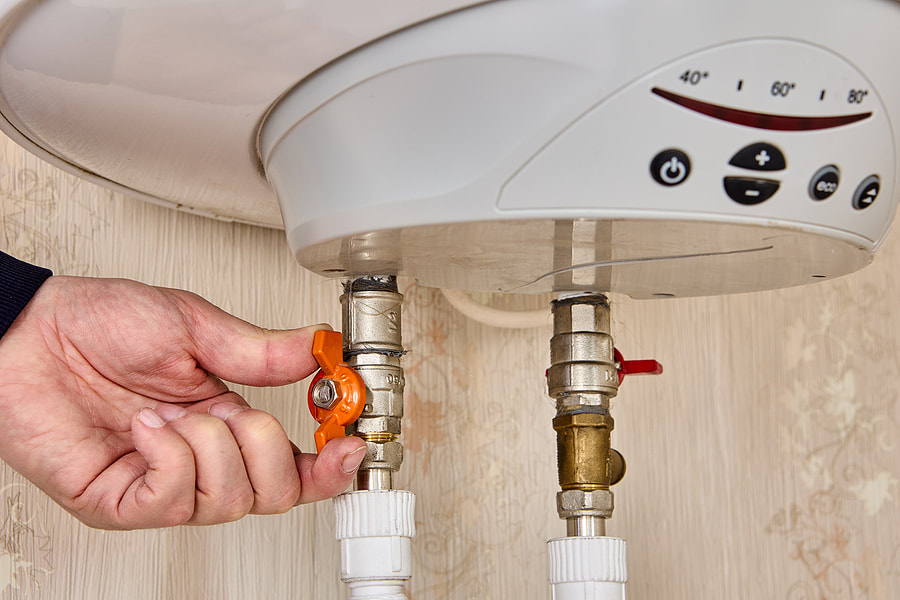
Water Heater Repair in San Antonio: What We Fix
Most water heater failures are repairs, not replacements, and the difference is money in your pocket. On gas tank units we replace failed thermocouples and gas control valves, relight and rebuild pilot assemblies, swap leaking temperature-and-pressure relief valves, change out burnt heating elements and thermostats on electric units, flush sediment that's killing recovery, and replace the anode rod before the tank corrodes from the inside out. On tankless units we clear flame-rod and ignition faults, descale clogged heat exchangers, replace flow sensors and igniters, and clear venting and combustion-air error codes. We service Rinnai, Navien, Rheem, and A.O. Smith. What we won't do is push a full replacement when a common repair part gets you hot water the same day. The repair-or-replace call starts with an actual diagnosis, not a guess at the door.
No Hot Water? Troubleshooting Before You Call
No hot water has a handful of common causes, and a few are things you can check in two minutes. On a gas tank unit, look at the pilot first. If the flame is out and won't relight, or lights and then dies a few seconds after you release the control knob, that points to a thermocouple or gas control valve, which is a repair, not a replacement. If you smell gas at any point, stop, leave the house, and call CPS Energy at 1-800-870-1760 before you call us. On an electric unit, check your breaker. A tripped double-pole breaker or a tripped high-limit reset button on the upper thermostat is a frequent culprit, though a breaker that trips again immediately means a shorted element and needs a tech. On a tankless unit, a flashing error code on the display tells the whole story, so read us the number when you call. If the pilot holds, the breaker is on, and you still have no hot water, the heater needs hands on it. Call 210-212-7667 and we'll bring the parts for the most likely fault.
Water Heater Leaking From the Bottom: What to Do
A puddle under the tank is the one failure you act on right away, because the cause decides whether it's a cheap fix or a dead unit. First, shut off the water supply at the valve on the cold inlet line up top, then kill the power: flip the breaker on an electric unit or turn the gas control to off on a gas unit. That stops the situation from getting worse while we're on the way. Now the cause. Water dripping from the temperature-and-pressure relief valve or its discharge tube usually means a bad valve or excessive pressure, and both are repairs. A loose drain valve or a fitting on the cold or hot connection is also a repair. But water weeping from the body of the tank itself, low and central where you can't trace it to a fitting, almost always means the inner tank has rusted through, and no patch fixes a perforated tank. That one is a replacement, and we'll be straight with you the moment we confirm it. Either way, a leaking heater is a same-day call. Water sitting on a slab works its way under flooring fast.
Tankless Water Heater Repair and Error Codes
Tankless units fail differently than tank units, and in San Antonio the number-one cause is scale. SAWS water runs 15 to 20 grains per gallon, and that hardness bakes onto a tankless heat exchanger every time it fires. Skip the annual descale flush and within two to three years you'll see efficiency drop, then error codes, then a unit that throttles or shuts down. Most Rinnai and Navien error codes that homeowners panic over are scale-related or ignition-related and clear with service rather than replacement. We descale the heat exchanger with a proper flush kit, clean the flame rod and igniter, check the flow sensor, and verify combustion air and venting. Codes pointing at the gas valve, the fan, or the PCB are deeper repairs, but they're still repairs on a unit that's typically rated for 18 to 20 years. Read us the code on the display when you call and we'll know what parts to load. If your tankless has never been descaled and you're on SAWS water, that's almost certainly the place we start. If you're specifically chasing a tankless fault, our dedicated tankless water heater repair service in San Antonio walks through the error codes and descaling process in more detail.
Repair vs. Replace: How We Run the Numbers
The honest threshold is simple. If the repair quote climbs past about 50 percent of a new unit, replacement is the smarter money, because a heater old enough to need an expensive fix is usually old enough to need another one inside 18 months. Age drives the call. A 6-year-old tank with a blown element or a bad thermostat is an easy repair. A 13-year-old tank with a corroded anode, a weeping relief valve, and a floor full of sediment is a replacement no matter how you slice it. A common-sense middle ground: replacing the anode rod at year 3 is the single best move to push a tank unit from a 7-year life to 12 or more, so if your unit is younger than that, a repair plus an anode swap often buys you years for very little. We start every repair-or-replace conversation with a real diagnosis: pilot and gas valve, element and thermostat, anode and sediment, relief valve, and tank integrity. That inspection tells us more than any symptom checklist, and it's how we avoid selling you a unit you don't need. If replacement does win, our water heater replacement page lays out tank vs. tankless and what a changeout involves.
Repair Across the Metro: Alamo Heights, Schertz, and Beyond
We run repair calls across all five cities we serve, and the housing stock changes what we find. In Alamo Heights, inside Loop 410, the pre-1970 homes often have older gas units tucked into tight closets with dated venting, so a pilot or thermocouple repair sometimes turns up a venting issue we flag before it becomes a safety problem. In Schertz, along the Guadalupe and Comal county line, the newer builder-grade homes lean tankless and builder-grade PEX, and the calls there skew toward tankless descaling and flow-sensor faults from years of unflushed SAWS-hard water. Out in Converse, the year-8 builds toward Live Oak throw expansion-tank and PRV failures that take out a heater if they go unnoticed, which is why we keep a dedicated page for water heater repair in Converse. Across San Antonio proper, from Stone Oak down through Monte Vista and the South Side, we see the full range, tank and tankless, gas and electric. Permit-required scope, like a gas line correction tied to a repair, gets filed through the City of San Antonio Development Services Department under RMP #36282. Wherever you are in the service area, call 210-212-7667 and we'll tell you honestly when we can reach you.
How a Water Heater Repair Call Works
Here's the order of operations so you're not guessing. First, you call 210-212-7667 and describe the symptom: no hot water, a leak, a pilot that won't stay lit, or a tankless error code. We give you a real ETA, not a four-hour window. Second, the tech arrives stocked for the most common water heater faults: thermocouples, gas valves, elements, thermostats, relief valves, anode rods, and a tankless flush kit. Third, the tech diagnoses the actual failure and gives you a written, upfront price before any work starts. You approve it or you don't. Fourth, we make the repair, then test it: we confirm the unit fires or heats, the relief valve seats, and the output holds at the recommended 120 degrees. Fifth, we clean up and confirm the warranty. Workmanship is backed for one year, and parts follow the manufacturer's terms, which vary by brand. Most repairs are one trip because we stock for them. If a fault needs a special-order part, we'll get hot water restored where we can and confirm the return.
Frequently asked
How much does water heater repair cost in San Antonio?
It depends entirely on the fault. Replacing a thermocouple, a heating element, a thermostat, or a temperature-and-pressure relief valve is a modest repair. A gas control valve or a tankless descale and flow-sensor service costs more. The honest rule we use: if the repair quote climbs past about 50 percent of a new unit, replacement is the smarter money. We diagnose the actual problem and give you a firm, written price before any work starts, so you decide with real numbers. We don't quote exact prices in body copy because the part and the access drive the cost. Call 210-212-7667 for a same-day diagnosis.
My pilot light won't stay lit on my gas water heater. Is that a repair?
Almost always, yes. A pilot that lights but dies a few seconds after you release the control knob points to a failing thermocouple, which is an inexpensive part and a common same-day repair. A pilot that won't light at all can be a clogged pilot tube, a dirty assembly, or a gas control valve. None of those mean you need a new heater. The exception is a unit old enough that the repair cost approaches a replacement, in which case we'll tell you straight. If you ever smell gas, leave the house and call CPS Energy at 1-800-870-1760 before anything else.
Do you repair Rinnai, Navien, Rheem, and A.O. Smith units?
Yes. We diagnose and repair both tank and tankless units from Rinnai, Navien, Rheem, and A.O. Smith. On tankless units, most Rinnai and Navien error codes that look alarming are scale-related or ignition-related and clear with service rather than replacement, especially on SAWS-hard water. Read us the error code on the display when you call so we load the right parts. We service tank units from the same brands for pilot, element, thermostat, valve, anode, and sediment issues.
Should I repair or replace a water heater that's leaking?
It depends where it's leaking. Water dripping from the temperature-and-pressure relief valve, the drain valve, or a supply fitting is a repair. But water weeping from the body of the tank itself, low and central where you can't trace it to a fitting, means the inner tank has rusted through, and a perforated tank cannot be patched. That one is a replacement. Shut off the cold inlet valve and the power or gas, then call 210-212-7667. We'll confirm the cause and tell you honestly which path you're on.
How often should a tankless water heater be descaled in San Antonio?
Annually. San Antonio water runs 15 to 20 grains per gallon per SAWS data, and that hardness scales a tankless heat exchanger fast. Skip the flush for two or three years and you'll see efficiency loss, then error codes, then a unit that throttles or shuts down. We offer a descale flush as a standalone maintenance visit or as part of a repair when scale is the root cause of the code you're seeing.
Can you get to me the same day for no hot water or a leak?
Often, yes. No hot water and a leaking tank are urgent, and we prioritize them. Calls placed by early afternoon on weekdays are dispatched same business day for most addresses inside Loop 1604, with next-morning first call typical for outlying parts of the service area. We give you a specific ETA when you call, not a vague window. Call 210-212-7667 and we'll tell you honestly when we can reach you.