Same-Day Water Heater Replacement — Transparent Pricing, No Surprises
If you're searching for a plumber for water heater repair or full replacement, you already know how disruptive a failing unit is — cold showers, water pooling on the floor, or a unit that just stopped working overnight. Armor Pro Services, licensed under Texas RMP #36282, handles same-day water heater replacement and repair across the San Antonio metro. We pull the city permit, haul away the old unit, and finish with a pressure and temperature test before we leave.
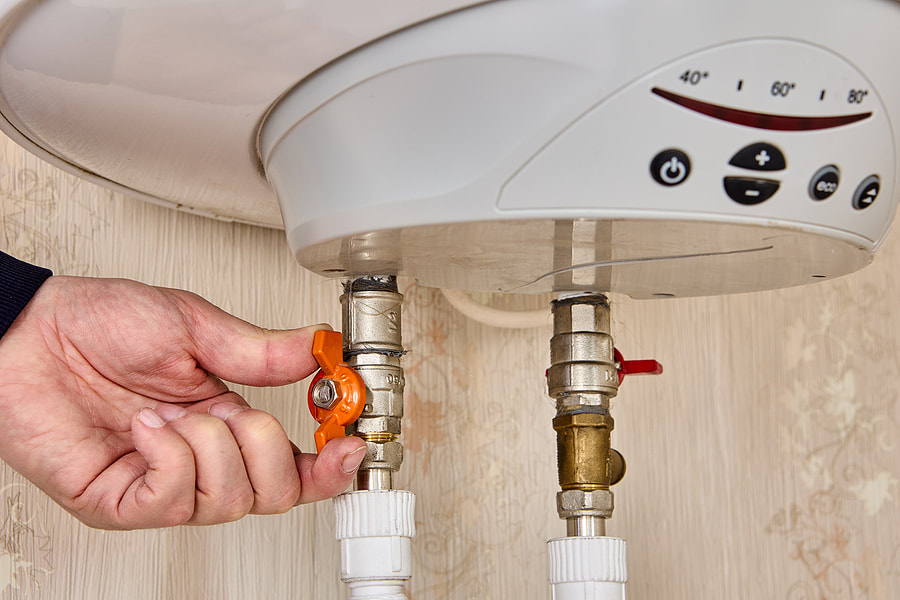
Water Heater Replacement Cost in San Antonio
The honest answer: replacement cost depends on the unit type, size, and what the existing installation requires. A standard 40- or 50-gallon gas tank replacement — same location, same fuel source, no code upgrades needed — sits at the lower end of the cost spectrum. A 75-gallon or larger unit, or one that requires a gas line upgrade, new venting, or electrical work, costs more. Tankless installations carry a higher upfront cost than tank units of equivalent capacity, largely because of gas line sizing, venting changes, and the unit itself. A suspiciously low quote almost always means the installer is skipping the city permit, using a builder-grade unit with a short warranty, or excluding haul-away and code-required upgrades. That 'bargain' often ends up costing more when the inspection fails or the unit fails prematurely. We give you a firm, itemized quote before any work begins — call 210-212-7667 for a same-day estimate.
Replacement vs. Repair: How to Decide
Here's the fast answer before the detail: if the repair quote tops 50% of a new unit, replace it. If it doesn't, and the tank is under about 8 years old, a repair is usually the smarter money. That threshold exists because a unit old enough to need an expensive repair is usually old enough to need another one within 18 months. Age compounds the math. A 10-year-old tank with a blown element is a borderline call. A 13-year-old unit with a corroded anode rod, a leaking pressure relief valve, and sediment buildup is a replacement, plain and simple. We won't push you toward a full replacement when a $150 repair extends the life meaningfully, and we won't patch a unit that's going to fail again before the year is out. Not sure which side of that line you're on? If you've got no hot water, a pilot that won't stay lit, or a single failed part on a newer tank, that's a repair, not a replacement. Start with our water heater repair page for a no-hot-water diagnosis before you spend on a full changeout. The repair-vs-replace conversation on any unit starts with a camera look at the anode rod and tank interior, which tells us more than any symptom checklist. Replacing the anode rod at year 3 is the single best way to push a tank unit from a 7-year lifespan to 12 or more.
Water Heater Installation in San Antonio: What the Job Actually Involves
A standard water heater installation in San Antonio runs 2 to 3 hours for a like-for-like tank swap and most of a day for a first-time tankless conversion. We pull the City of San Antonio permit under RMP #36282 on every job, haul the old unit away, and finish with a pressure and temperature test set to 120°F before we leave. The variables that change an install are location, fuel source, and code. A unit moving from a closet to a garage, a switch from electric to gas, or an older home that needs updated venting or a drain pan and expansion tank all add scope. The pre-1970 stock inside Loop 410 is a good example, which is why we keep a dedicated Alamo Heights water heater installation page that walks through the gas-line and venting catches in those homes. Here's what a clean install includes on our trucks: we stock the common 40- and 50-gallon gas and electric tank sizes, so a straightforward changeout wraps in one visit; we verify the T&P valve and discharge line meet current code; we install a thermal expansion tank where the home has a closed system with a pressure-reducing valve, which most newer San Antonio homes do; and we set the water heater on a code-compliant stand or pan depending on the location. If your existing tank is already dripping at the relief valve, that is often a waterlogged expansion tank we can fix same-day rather than a full heater changeout. If your install is a repair in disguise, meaning the tank is sound and only a valve or element failed, we'll tell you that on the estimate call instead of selling you a full replacement you don't need.
Tankless Water Heater Installation: Sizing, Gas, and Venting
A tankless water heater installation lives or dies on two numbers we check before we quote: the temperature rise you need and the BTU capacity of your gas line. For San Antonio, we size against a coldest groundwater temperature of roughly 55°F and a target hot water temperature of 120°F, which is a ΔT of 65 to 70°F. That temperature rise sets the flow rate a given unit can deliver. A whole-home tankless in a 3-plus bathroom house typically needs to hit 8 to 10 gallons per minute at that rise, and undersizing is the single most common reason a tankless install underperforms and leaves someone with lukewarm water during peak demand. Before we quote any gas tankless unit, we verify your gas line's BTU capacity, because a whole-home condensing unit can call for 150,000 to 199,000 BTU and a half-inch line that fed an old 40,000-BTU tank won't carry it. An undersized line means either an upsize to 3/4-inch or a dedicated run, and we price that upfront rather than discovering it mid-install. Venting is the third factor. Condensing tankless units vent through PVC or Category III stainless and often terminate on a different wall than the old tank's flue, so we route the intake and exhaust to a compliant termination and confirm clearances. We install Rinnai, Navien, Rheem, and A.O. Smith tankless units, and we match the unit to your gas and venting infrastructure rather than the other way around. A Navien in a home with an undersized gas line is a worse outcome than a properly sized Rheem, every time.
Tank vs. Tankless — What San Antonio Homeowners Should Know
Tank water heaters cost less upfront, are simpler to replace in-kind, and work with any existing gas line or electrical service. They're the right call for smaller homes, all-electric setups, or situations where the budget for a full conversion isn't justified by usage patterns. The trade-off is standby heat loss — the tank keeps 40–75 gallons hot around the clock whether you use it or not. Tankless units eliminate standby loss entirely and deliver endless hot water on demand, which matters in a 3+ bathroom home with peak-hour demand. For gas tankless sizing in San Antonio, we use a ΔT of 70°F against the coldest groundwater temperature of approximately 55°F — that calculation determines the BTU rating required to hit the flow rate you need. Before quoting any gas tankless unit, we verify your gas line's BTU capacity; an undersized line is the most common reason a tankless install underperforms. Space is also a factor — tankless units mount on the wall and free up floor space, but they require Category III venting or direct-vent terminations that don't always line up with where the old tank sat. We carry and install Rinnai, Navien, Rheem, and A.O. Smith units. If you want to replace water heater with tankless, we'll tell you upfront whether your home's gas and venting infrastructure supports it without a costly upgrade.
Our Water Heater Replacement Process — Step by Step
Here's exactly what happens from your call to a working unit:
- Same-day estimate call. We take your unit details — age, fuel type, location, household size — and give you a firm quote over the phone or with a quick on-site look. No vague ranges, no 'we'll know when we get there.'
- Permit pulled. Armor Pro Services files the required permit through the City of San Antonio Development Services Department under RMP #36282 before work begins. Any contractor who skips this step is cutting a corner that can affect your homeowner's insurance.
- Old unit shut down and drained. We isolate the gas or electrical supply, drain the tank, and disconnect the unit safely.
- New unit installed. Connections are made to match or upgrade the existing supply lines, venting, and (for gas units) the gas line. All fittings are checked against current code.
- Pressure and temperature test. We fill and fire the unit, confirm the pressure relief valve seats correctly, and verify the output temperature is set to the recommended 120°F.
- Old unit hauled away. We load the old unit. You don't deal with disposal.
- City inspection scheduled. For permitted jobs, we coordinate the inspection so you don't have to chase the city.
Brands We Install and Recommend
Rheem — the most widely stocked residential tank brand in our area; strong parts availability and a solid mid-tier warranty. A.O. Smith — our go-to for 75-gallon and commercial-grade residential units where recovery rate matters. Rinnai — the tankless brand we install most often for gas demand applications; their condensing units hit efficiency ratings that justify the upfront cost in homes with high hot water demand. Navien — preferred for recirculation-ready setups where a dedicated return line or the comfort flow feature eliminates the wait for hot water at distant fixtures. We don't push any single brand for every situation. A Navien in a home with an undersized gas line is a worse outcome than a properly sized Rheem tank. The unit recommendation follows the site conditions, not the other way around.
Water Heater Replacement vs. Repair: The Thresholds We Use
Before we quote a full replacement, we run the same short checklist on every unit. Here are the thresholds that decide it, in the order we check them:
- Age. A tank past about 10 to 12 years is on borrowed time regardless of symptoms. If it's under 8 and the fault is a single part, we lean repair.
- Leak location. A drip from a fitting, the T&P valve, or the drain valve is a repair. Water weeping from the bottom seam of the tank itself is corrosion through the steel, and that's a replacement every time. There's no patch for a rusted-through tank.
- Anode rod condition. If the anode is spent and the tank is young, replacing the rod buys years. If the anode is gone and the tank is already old, the sacrificial protection is long past doing its job and the tank interior is next.
- Repair cost vs. new unit. If the repair quote tops 50% of a comparable new install, replacing is the smarter money.
Why the anode matters in San Antonio: SAWS water runs 15 to 20 grains per gallon, and hard water eats a sacrificial anode faster than soft water does. Replacing the anode rod at year 3 is the single best way to push a tank from a roughly 7-year lifespan to 12 or more in this market. Out in NE Bexar, where the SAWS supply runs hardest, our water heater replacement in Converse page covers the anode-rod math and expansion-tank failures we see on year-8 builds along the FM 1976 corridor.
We won't push a full changeout when a single failed element or valve on a sound, younger tank is the real problem. We also won't patch a rusted tank to get you through another six months, because that call almost always ends in a flooded closet. If yours is already dumping water on the floor, shut the supply and call for emergency plumbing help before it reaches drywall. If you've got no hot water, a pilot that won't stay lit, or one failed part on a newer unit, start with our water heater repair page before you spend on a full replacement. Not sure which side of the line you're on? Call 210-212-7667 and describe the symptom. We'll tell you straight over the phone.
Water Heater Replacement in Stone Oak, Timberwood Park & the North Metro
We run water heater replacements across the north San Antonio metro every week, including Stone Oak, Timberwood Park, and the 78258 and 78260 zip codes north of Loop 1604. These are mostly newer builds on post-tension slab, and that housing vintage shapes the job.
Most homes up here run a closed system with a pressure-reducing valve at the meter, which means a thermal expansion tank is required on a compliant install. It's one of the most common things we find missing or failed on a north-metro changeout: a builder-grade expansion tank that lost its air charge and left the T&P valve weeping. We check it on every quote, not after.
North-metro note: The hard SAWS water up here scales tankless heat exchangers fast. If you're replacing a tank with a tankless in Stone Oak or Timberwood Park, plan on an annual descale flush to hold the manufacturer warranty and the efficiency you paid for.
Garage-mounted units are the norm in these subdivisions, so we set the heater on a code-compliant stand or pan, verify the T&P discharge line, and pull the City of San Antonio permit under RMP #36282 on the changeout. Whether you're in a Stone Oak two-story or a Timberwood Park single-level off the 281 corridor, the process is the same and the price is firm before we start. Call 210-212-7667 for a same-day quote on your north-metro replacement.
Sizing a Tankless for San Antonio Groundwater
A gas tankless that leaves you with lukewarm water during a morning rush was sized against the wrong numbers. Here's the math we run before we quote one:
- Coldest incoming groundwater in San Antonio: roughly 55°F. We size against that low, not a summer average, so the unit still delivers in a January cold snap.
- Target hot water temperature: 120°F. That sets a temperature rise (ΔT) of about 70°F, which is what a whole-home unit here has to overcome.
- Flow rate at that ΔT. A 3-plus bathroom home usually needs 8 to 10 gallons per minute at a 70°F rise. Undersizing against ΔT is the number one reason a tankless underperforms at peak demand.
We verify the gas line's BTU capacity before we quote any tankless. A whole-home condensing unit can call for 150,000 to 199,000 BTU, and the half-inch line that fed a 40,000-BTU tank won't carry it.
When the existing line is undersized, the fix is either an upsize to 3/4-inch or a dedicated run, and we price that upfront instead of finding it mid-install. We install Rinnai, Navien, Rheem, and A.O. Smith, and we match the unit to your gas and venting rather than forcing the infrastructure to fit a unit. A gas line that can't feed the heater is the first thing to solve, not the last.
Pricing You Can See Before We Start
A water heater failure isn't a planned expense, and neither is a water heater upgrade to a larger tank or a tankless system, so we don't hide the number behind vague ranges. You get a firm, itemized quote before any work begins, and the price you're quoted is the price you pay. We break out the unit, the labor, the permit, the haul-away, and any code-required upgrades separately, so you can see exactly what you're paying for and where a cheaper quote elsewhere is quietly leaving something out. A lower-cost unit with a shorter warranty and higher operating cost over 10 years is rarely the better decision, even when it looks like savings upfront. We'd rather put you in a unit that lasts 15 years than a builder-grade box that fails at year 6, and we'll show you the math on both so the choice is yours. Call 210-212-7667 for a same-day, no-surprise estimate.
Frequently asked
Tankless or traditional tank — what's right for my house?
Tankless makes sense if you have natural gas, a gas line with adequate BTU capacity, and need endless hot water for a 3+ bathroom home. A 50-gallon tank is still the right call for smaller homes, all-electric setups, or situations where the conversion cost exceeds what your usage patterns can justify. We size gas tankless units for San Antonio's ~55°F coldest groundwater and a 70°F temperature rise — that math determines whether your gas line can support the unit before we quote anything.
How long does a water heater install take?
A like-for-like tank swap runs 2–3 hours in most homes. A first-time tankless conversion takes most of a day because of gas line work, venting changes, and sometimes electrical modifications. We pull the city permit and coordinate the inspection — you don't have to manage any of that.
Do I need a permit to replace a water heater in San Antonio?
Yes. The City of San Antonio requires a permit for water heater changeouts. Armor Pro Services files that permit through the City of San Antonio Development Services Department under RMP #36282 on every permitted job. Skipping the permit can void your homeowner's insurance claim if the unit causes water damage and an inspection record doesn't exist.
How long will a new water heater last?
A tank unit with proper anode rod maintenance — we recommend replacing the anode rod at year 3 — can realistically reach 12 or more years instead of the typical 7. Tankless units, properly descaled annually in San Antonio's hard water (15–20 gpg per SAWS data), routinely last 18–20 years. Skipping the annual descale flush on a tankless unit in this area causes efficiency loss and error codes within 2–3 years.
Can I replace a water heater myself?
Legally, a homeowner can pull a permit and do their own water heater replacement in Texas — but the city inspection still applies, and a failed inspection means the work has to be redone. Gas connections and venting errors are the most common failure points on DIY installs, and both carry real safety risk. Most homeowners who price out the permit, parts, haul-away, and their own time find the gap between DIY and professional install is smaller than they expected.
Do you flush tankless units for hard San Antonio water?
Yes — we recommend an annual descale flush on tankless units in this area. San Antonio water hardness runs 15–20 grains per gallon; that scale accumulates fast inside a tankless heat exchanger. Skip it for a couple of years and you'll see efficiency drop and error codes before the unit hits year 5. We offer a maintenance flush as a standalone visit.
When is it time to replace a water heater instead of repairing it?
We use four thresholds. Age: a tank past 10 to 12 years is on borrowed time no matter the symptom. Leak location: a drip at a fitting or the T&P valve is repairable, but water weeping from the bottom seam of the tank is corrosion through the steel and can't be patched. Anode condition: a spent anode on a young tank means replace the rod; a spent anode on an old tank means the tank interior is next. Repair cost: if the repair tops 50 percent of a comparable new install, replacing is the smarter money. If you've got a single failed part on a newer, sound tank, that's a repair, not a replacement.
Do you replace water heaters in Stone Oak and Timberwood Park?
Yes. We run replacements across the north San Antonio metro every week, including Stone Oak, Timberwood Park, and the 78258 and 78260 zip codes north of Loop 1604. These are mostly newer builds on post-tension slab running a closed system with a pressure-reducing valve, so a thermal expansion tank is required on a compliant install and we check it on every quote. We pull the City of San Antonio permit under RMP #36282 on the changeout and give you a firm price before we start.