No Hot Water in Your House? What to Check Before You Call (San Antonio)
No hot water at any tap usually traces to a few things you can check yourself: a tripped breaker, a pilot that went out, or a popped reset. Here's the safe checklist, gas and electric, and when it's a call.
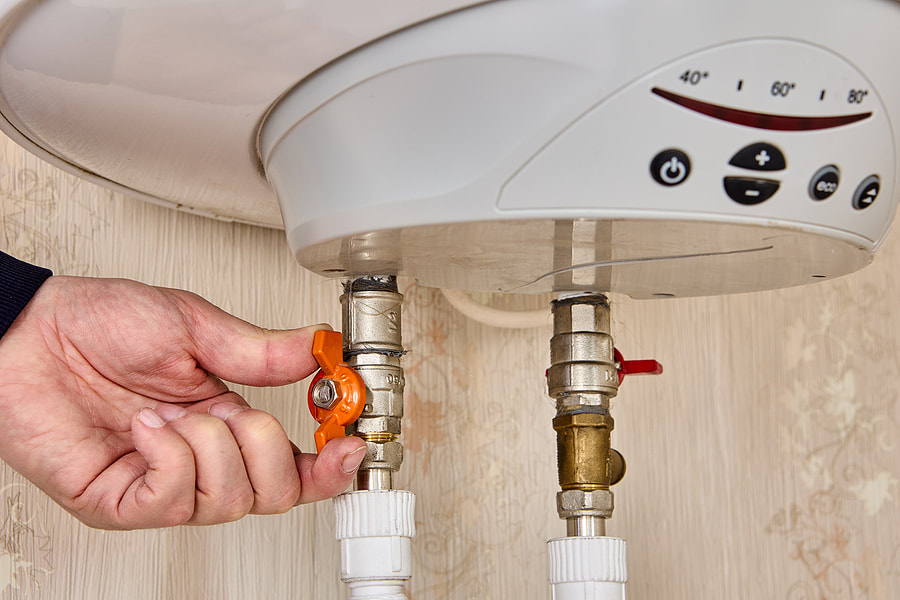
No hot water in the house? Start here
You turned on the tap and got nothing but cold. Before you assume the water heater is dead, know this: most no-hot-water calls we run trace back to a handful of simple faults, and several of them you can check safely in about ten minutes. A tripped breaker, a pilot light that blew out, a popped reset button, or a thermostat knocked off its setting will all leave you cold, and none of those is a dead tank.
"After running no-hot-water calls across Bexar County, the pattern we see is that the true 'tank is finished' cases are the minority."
I'll be straight with you. The rest are a lost pilot, a failed thermocouple, a tripped element, or a reset that needs pushing. So work the safe checks below first, and if they don't bring the heat back, that's when it's our call.
If you have no hot water right now and you'd rather we just diagnose it, call 210-212-7667. We run same-day plumbing routes across San Antonio every weekday, and our trucks are stocked for the calls we actually run that day, so most water heater repairs are one trip.
No hot water in house: the first four safe checks
Before you touch the heater itself, rule out the easy stuff. These four checks are safe for a homeowner and clear a large share of no-hot-water calls on their own:
- Find your water heater and read its type. Gas units have a burner assembly and a gas control valve on the front near the floor, with a vent flue out the top. Electric units have a metal cover panel (or two) on the side and no gas line or flue. What you do next depends on which one you have.
- Check the breaker (electric) or the gas supply (gas). On an electric heater, open the panel and look for a tripped double-pole breaker feeding the water heater. On a gas heater, confirm the gas is on at the shutoff valve on the supply line and that other gas appliances (range, furnace) are working.
- Look at the thermostat setting. A knob bumped down to "vacation" or "low" is a real cause we find more than you'd think, especially after someone was in the utility area. The target is around 120 degrees.
- Confirm it's the heater, not the fixture. If cold water still runs everywhere but hot runs nowhere, it's the heater or its supply. If only one faucet or shower is cold, skip to the "shower but not the sinks" section below, because that's a different problem.
Work those four first. If the breaker's fine, the gas is on, the thermostat is set right, and it's every tap that's cold, move to the section that matches your heater type.
Gas water heater no hot water: is the pilot light out?
On a gas water heater with no hot water, the pilot light is the first thing to check, because a pilot that has gone out means the burner can't fire and the tank just sits full of cold water. Look through the small sight glass or the gap at the base of the unit near the gas control valve. If you see a small steady flame, the pilot is lit and the problem is elsewhere. If you see nothing, the pilot is out.
A pilot that won't stay lit is one of the most common gas no-hot-water faults, and after a Central Texas cold snap it's the call we run most. Here's the honest line on what's safe to do and what isn't:
- Relighting the pilot once, by the printed instructions on the tank, is reasonable if you're comfortable doing it. Every gas water heater has a lighting sequence on a label on the front. Follow it exactly, and never with any smell of gas in the area.
- If you smell gas at all, stop. Leave the area, don't touch switches, and call from outside. Then call us.
- If the pilot lights but won't stay lit after you release the knob, don't keep trying. That's almost always a failed thermocouple, the safety sensor that has to prove the flame before it lets gas keep flowing. It's a small part and a fast fix for us, but it's not a homeowner repair.
"A pilot that lights and immediately dies when you let go of the knob is telling you the thermocouple has failed. It's one of the quickest water heater repairs we run, and it does not mean you need a new tank."
A stuck or dirty gas control valve, a blocked flue, or a bad thermocouple all leave you with a pilot that won't hold. Those are our work, not a DIY step, because they touch the gas and combustion side of the unit. If the pilot won't stay lit, our water heater repair service handles it same-day or next-day, and you can reach it by calling 210-212-7667.
Electric water heater not heating: the reset button and the elements
On an electric water heater with no hot water, the fault is almost always one of three things: a tripped breaker, a popped high-limit reset, or a failed heating element or thermostat. You already checked the breaker up top. The next safe check is the reset button.
Behind the upper access panel on the side of the tank there's a small red reset button on the high-limit safety switch. When water gets too hot or an element shorts, that switch trips and cuts all power to the heating elements, which leaves you with a full tank of cold water on a unit that otherwise looks fine.
Checking the reset button safely
Here's the safe way to check it, and where it stops:
- Kill the breaker first. Before you remove any panel on an electric heater, switch off the double-pole breaker feeding it at your panel. There is line-voltage power behind that cover, and it does not forgive a wet hand.
- Remove the upper access panel and fold back the insulation. You'll see the reset button on the thermostat block. If it's popped out, press it firmly straight in until it clicks.
- Restore power and give it an hour. Turn the breaker back on and wait. A full electric tank takes real time to reheat.
A standard electric tank has two elements and two thermostats. Lukewarm water that runs out fast usually points to a failed lower element; no hot water at all points to the upper element or the reset. Diagnosing which one is a meter test, not a guess, and it's a routine repair for us. When the reset won't hold or the elements have failed, that's our water heater repair page, or call 210-212-7667 and we'll sort it.
Shower has no hot water but the sinks are hot
If your shower runs cold but the sinks in the same house have plenty of hot water, the water heater is fine and the problem is at the shower. This one trips people up because it feels like a hot-water outage, but the heater is doing its job. The fault is in the shower valve itself, and there are two usual causes.
The most common by far is a worn or failed anti-scald cartridge inside the shower valve. Modern tub and shower valves have a pressure-balancing or thermostatic cartridge that mixes hot and cold and limits the max temperature so you don't get scalded. When that cartridge wears out or scales up, it can stop letting hot water through, and you get a cold or barely-warm shower while every other fixture stays hot.
The second cause is a rotational limit stop set wrong, a small collar behind the handle that caps how far you can turn toward hot. If it was set too conservatively (or shifted during a past repair), the handle hits its limit before it reaches real hot. Some homeowners adjust that themselves following the valve maker's instructions; a scaled or failed cartridge is a replacement, and matching the right cartridge to your valve brand is where it's worth a call. Either way it's a fixture repair, not a water heater problem. Tell us what's going on and we'll come back with a straight answer.
When no hot water means the heater is actually done
Most no-hot-water calls are a repair. But sometimes the checks above just confirm the tank has reached the end. You're likely looking at replacement rather than another repair if your heater:
- Is past about 10 to 12 years old
- Is leaking from the bottom of the tank
- Keeps failing part after part
Tank water heaters typically last 8 to 12 years, and in San Antonio's 15 to 20 gpg hard water we often see them fail on the early end of that range because scale and sediment corrode the tank from the inside.
If the no-hot-water problem lines up with rusty water, banging sediment noise, or an age past ten, it's worth reading when no hot water means it's time to replace before you spend on a repair that won't last. We'll tell you honestly which side of that line your unit is on. No upsell on faith.
FAQ
When should I call a plumber for no hot water?
Call once you've done the safe checks and they didn't bring the heat back. Specifically: on a gas unit, call if the pilot won't stay lit, you smell gas, or the burner won't fire after a proper relight. On an electric unit, call if the reset button won't hold, keeps popping, or the tank still runs cold an hour after resetting and confirming the breaker. Also call right away for any water leaking from the tank, a gas smell, or a heater past ten years old that's failing repeatedly. Anything that touches the gas and combustion side, or line-voltage elements and thermostats inside the tank, is licensed work, not a DIY step. We run same-day or next-day across San Antonio, Alamo Heights, Schertz, Converse, and Helotes, and our trucks are stocked so most repairs are one trip. Call 210-212-7667.
How long does a water heater take to reheat?
It depends on the type and size. A 40 to 50 gallon gas tank heater typically recovers a full tank of hot water in about 30 to 60 minutes once it's firing. An electric tank of the same size takes longer, often 60 to 90 minutes or more, because electric elements heat more slowly than a gas burner. A tankless unit doesn't store hot water at all, so it delivers hot water within seconds once it's working, and if a tankless is giving you no hot water the fault is in the unit, not a recovery time. So after you fix a tripped breaker or relight a pilot, give a gas tank about an hour and an electric tank a bit longer before you decide it's still broken.
Get it diagnosed
If you've worked the safe checks and still have no hot water, the cause is usually a thermocouple, a failed element or thermostat, a stuck gas valve, or a reset that won't hold, and every one of those is a repair, not a reason to scrap the tank. We test the actual fault first, tell you straight whether it's a repair or a replacement, and back the workmanship with a one-year written warranty, parts under manufacturer terms.
Armor Pro Services is licensed in Texas under RMP License #36282, locally owned and operated, and available same-day or next-day across San Antonio, Alamo Heights, Schertz, Converse, and Helotes. Free estimates and competitive, upfront pricing. Shut off nothing, check what's safe, then call us at 210-212-7667 or book water heater repair online.
Click to Call · 210-212-7667